National Center for Complementary and Integrative Health notes that garlic has been used for centuries in traditional medicine systems for a wide range of health concerns, including infections, cardiovascular health, and digestive support. Today, researchers continue studying garlic as part of broader conversations about functional nutrition and preventive wellness. Interest has grown alongside increasing public attention toward diet, inflammation, immune resilience, and the long-term effects of chronic disease.
Functional medicine and integrative health providers often explore how nutrition patterns may influence overall wellness. Discussions involving SeeBeyond Medicine Scarsdale and similar integrative healthcare settings reflect a growing focus on evaluating food choices alongside lifestyle, stress, sleep quality, and metabolic health. Rather than viewing nutrition as a standalone solution, many practitioners examine how dietary habits interact with broader physiological systems.

Why Garlic Continues to Attract Scientific Attention
Garlic contains sulfur-based compounds that researchers believe contribute to many of its biological effects. One of the most studied compounds is allicin, which forms when garlic is chopped or crushed. Research published in the Journal of Nutrition suggests that allicin and related compounds may have antimicrobial and antioxidant properties that influence inflammatory pathways and immune signaling.
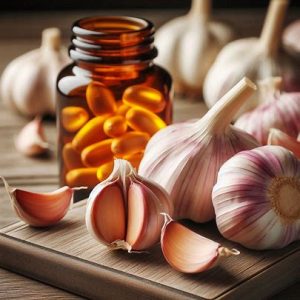
Scientists have also examined aged garlic extract, a supplement preparation created through long-term extraction processes. Some clinical studies indicate that aged garlic extract may support cardiovascular function and influence markers linked to inflammation. Data published by the National Institutes of Health shows that garlic supplementation has been associated with modest reductions in blood pressure in certain populations, particularly among adults with hypertension.
Interest in garlic expanded further during periods of heightened concern about immune health. Research from the British Journal of Nutrition found that participants taking garlic supplements reported fewer common cold symptoms during one study period compared to control groups. However, researchers also emphasized that findings remain limited and require larger, long-term studies before broad conclusions can be made.
Understanding Inflammation and Nutritional Support
Inflammation is a normal biological process that helps the body respond to injury and infection. Problems arise when inflammation becomes chronic and persistent. Long-term inflammatory activity has been linked to cardiovascular disease, diabetes, arthritis, and certain autoimmune conditions.
Nutrition researchers increasingly study how foods may affect inflammatory responses. Garlic often appears in these discussions because of its sulfur compounds, antioxidants, and potential influence on immune cell activity. Studies published in Frontiers in Nutrition suggest that garlic compounds may help reduce oxidative stress, which is closely associated with inflammatory damage.
At the same time, experts caution against oversimplifying the relationship between individual foods and disease prevention. One ingredient alone rarely determines health outcomes. Researchers from the Harvard T.H. Chan School of Public Health emphasize that dietary patterns matter more than isolated “superfoods.” Garlic may contribute to a balanced eating pattern, but it cannot replace broader nutritional habits that include fruits, vegetables, fiber-rich foods, protein balance, hydration, and healthy fats.
What Research Says About Immune Function
The immune system depends on multiple interconnected systems rather than a single nutrient or supplement. Sleep quality, physical activity, stress management, environmental exposures, and chronic health conditions all influence immune function.
Research shows that garlic may support certain immune responses by influencing white blood cells, inflammatory cytokines, and oxidative stress markers. Laboratory studies cited by Memorial Sloan Kettering Cancer Center indicate that garlic compounds may affect immune cell signaling and antimicrobial activity. However, laboratory findings do not always translate directly into consistent real-world clinical outcomes.
Human studies have produced mixed results. Some show mild benefits related to respiratory health and infection frequency, while others report minimal measurable changes. Researchers continue exploring dosage, preparation methods, and long-term safety considerations. Fresh garlic, garlic powder, oils, and aged extracts may produce different biological effects because their active compounds vary.
Experts also note that immune support claims can become exaggerated in wellness marketing. Foods and supplements may help support normal body function, but they are not substitutes for medical treatment or preventive healthcare. Evidence-based nutrition guidance generally focuses on sustainable dietary habits rather than quick solutions.
The Limits of Nutrition-Only Approaches
Public interest in anti-inflammatory diets has increased significantly over the past decade. While nutrition can influence overall health, chronic conditions often involve complex factors that extend beyond diet alone.
For example, chronic inflammation may be connected to obesity, sleep disorders, long-term stress, smoking, environmental exposures, or underlying medical conditions. Dietary changes may help improve some health markers, but they may not fully address root causes without broader evaluation.
Interest in food-based wellness strategies has also expanded into conversations about mental and emotional health. Researchers continue studying how nutrition, inflammation, stress, and mood may influence one another over time. Discussions surrounding natural approaches to stress and emotional wellness often include dietary habits, sleep quality, physical activity, and psychological support rather than relying on a single ingredient or supplement alone.
Mayo Clinic experts note that self-diagnosing inflammation or relying heavily on supplements can delay appropriate medical care. Persistent fatigue, digestive symptoms, pain, or immune concerns may require clinical assessment rather than nutritional experimentation alone.
Garlic can also interact with medications in some situations. Research published by the Cleveland Clinic indicates that garlic supplements may affect blood clotting and could interact with anticoagulant medications or certain surgical procedures. People managing chronic illness should discuss supplement use with qualified healthcare professionals.
How Integrative Healthcare Approaches Nutrition
Integrative healthcare providers often evaluate nutrition within a larger framework that includes metabolic health, lifestyle behaviors, medical history, stress levels, and laboratory testing. Rather than focusing solely on symptom management, some practitioners examine how multiple factors may contribute to inflammation or immune imbalance.
This broader model may include reviewing dietary patterns, identifying nutritional deficiencies, discussing sleep quality, and assessing stress-related behaviors. Some clinics also use personalized wellness assessments to determine whether specific nutritional changes align with a patient’s overall health profile.
Functional nutrition discussions frequently emphasize consistency over restriction. Healthcare providers may encourage realistic dietary adjustments that fit a person’s lifestyle, culture, medical needs, and long-term goals. Garlic and similar foods may be considered supportive components within broader nutrition strategies instead of standalone interventions.
Personalized approaches are especially important because individuals respond differently to foods and supplements. Genetics, gut microbiome diversity, medication use, allergies, and existing medical conditions can all influence nutritional responses.
Why Personalized Health Assessments Matter
Growing interest in personalized medicine has influenced the way healthcare professionals discuss nutrition. Rather than recommending identical diets for everyone, many clinicians now consider biomarker testing, family history, inflammatory markers, and lifestyle patterns when discussing wellness strategies.
Research from the American Society for Nutrition suggests that individualized nutrition planning may improve adherence and long-term sustainability compared to generalized dietary advice. Personalized guidance may also help patients avoid unnecessary restrictions or supplement overuse.
For some individuals, garlic may fit naturally into a healthy eating pattern. Others may experience digestive discomfort, medication interactions, or dietary sensitivities that require modification. Personalized assessment helps determine what is appropriate for each individual rather than relying on broad internet trends.
Key Takeaways for Consumers
Garlic remains an important subject in nutritional research because of its potential antioxidant, antimicrobial, and anti-inflammatory properties. Scientific studies suggest that certain garlic compounds may support aspects of immune function and cardiovascular health. However, research findings remain mixed, and garlic should not be viewed as a cure-all solution.
Evidence-based wellness strategies typically involve broader lifestyle patterns that include balanced nutrition, physical activity, sleep, stress management, preventive healthcare, and individualized medical guidance. Integrative health discussions continue evolving as researchers learn more about the relationship between diet, inflammation, and long-term health outcomes.
Consumers seeking reliable nutritional guidance benefit most from evidence-based information, realistic expectations, and personalized healthcare conversations. Nutrition can play a meaningful role in overall wellness, but sustainable health outcomes usually depend on a combination of factors working together over time.
Careful evaluation, credible research, and individualized recommendations remain central to responsible discussions about functional nutrition and immune health.

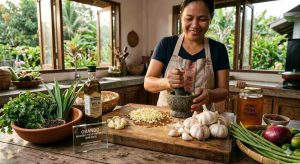
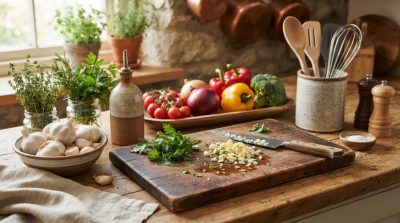 It’s an excellent home garden project, and a delicious way to eat garlic. Garlic is relatively easy to grow if it is properly cared for and can be planted in the backyard or in a raised container. Choosing fresh bulbs means that you get your fresh ingredients right away, and you are one step closer to your own food production. Garlic growing is an ideal solution for those who want their fresh garlic year-round.
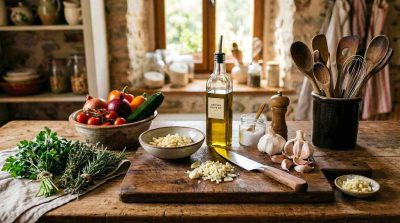 Garlic helps in the improvement of the taste of your food while reducing the amount of salt and flavoring products you consume. With the correct use of fresh garlic, families will derive the culinary and nutritional benefits from the use of this edible bulb.



 Natural-looking enhancement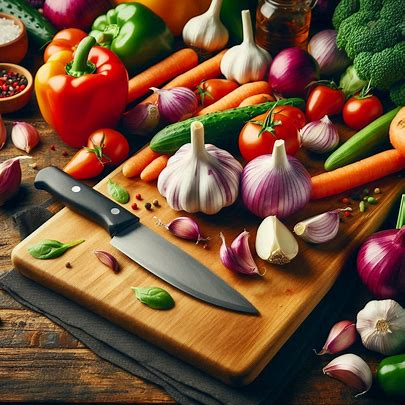
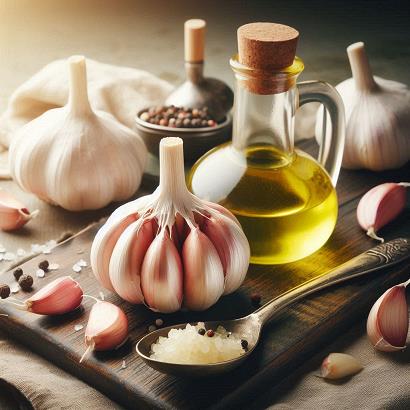
 Garlic, often hailed as a health powerhouse, has benefits that go beyond warding off colds. Known for enhancing blood circulation, boosting immunity, and providing essential nutrients, garlic holds surprising benefits for women’s sexual health. Its ability to increase blood flow can positively affect energy levels, stamina, and even how you experience pleasure. Whether you’re using the rabbit vibrator or other bedroom essentials, garlic’s health benefits might take things up a notch.
 Men’s health is often linked to physical fitness, but brain health is equally crucial. Cognitive performance impacts everything from work productivity to personal well-being. As men age, the ability to focus and retain information naturally declines. However, certain nootropics and brain boosters can offer a solution to enhance cognitive functions like memory, focus, and overall performance.
 Garlic has been cherished for centuries not just for its bold flavor but also